Have you ever wondered about the importance of Norwood oral cancer screenings and whether you might be at risk? Oral cancer screening is crucial for early detection, which can significantly improve treatment outcomes and survival rates.
Norwood Oral Cancer Screening
Understanding oral cancer is crucial for recognizing the importance of regular oral cancer screening. Oral cancer can develop in any part of the mouth, including the lips, tongue, cheeks, and throat. It often starts as a small, unnoticed sore or lesion that can quickly become more serious if left untreated. Early detection through oral cancer screening can significantly improve the chances of successful treatment and recovery.
Oral cancer screening is a preventive measure that helps identify early signs of cancerous or precancerous conditions in the mouth. Factors such as tobacco use, excessive alcohol consumption, and prolonged sun exposure can increase the risk of developing oral cancer. By understanding these risks and the importance of early detection, individuals can take proactive steps to monitor their oral health. For more information on related dental issues, visit our page on Adult Dentistry: Common Issues and How to Fix Them.
Common Risk Factors
Understanding the common risk factors associated with oral cancer is crucial for early detection and prevention. Tobacco use, including smoking and chewing tobacco, is one of the most significant risk factors. Excessive alcohol consumption also increases the likelihood of developing oral cancer. Additionally, prolonged exposure to the sun can lead to lip cancer, a form of oral cancer. Human papillomavirus (HPV) infection is another contributing factor, particularly for cancers at the back of the throat.
Age and gender also play a role in oral cancer risk. Men are generally more susceptible than women, and the risk increases with age, particularly for those over 50. A family history of cancer can further elevate your risk. Regular oral cancer screenings are essential for those who fall into these high-risk categories. For more information on maintaining your oral health, visit our General Dentistry Norwood page.
Symptoms to Watch For
Recognizing the early signs of oral cancer is crucial for timely intervention. During an oral cancer screening, healthcare professionals look for symptoms such as persistent mouth sores, unexplained bleeding, lumps or thickening in the cheek, difficulty swallowing, and changes in voice. Other indicators might include red or white patches in the mouth, numbness, or a feeling that something is caught in the throat. Being aware of these symptoms can help in identifying potential issues early on.
Screening Process Overview
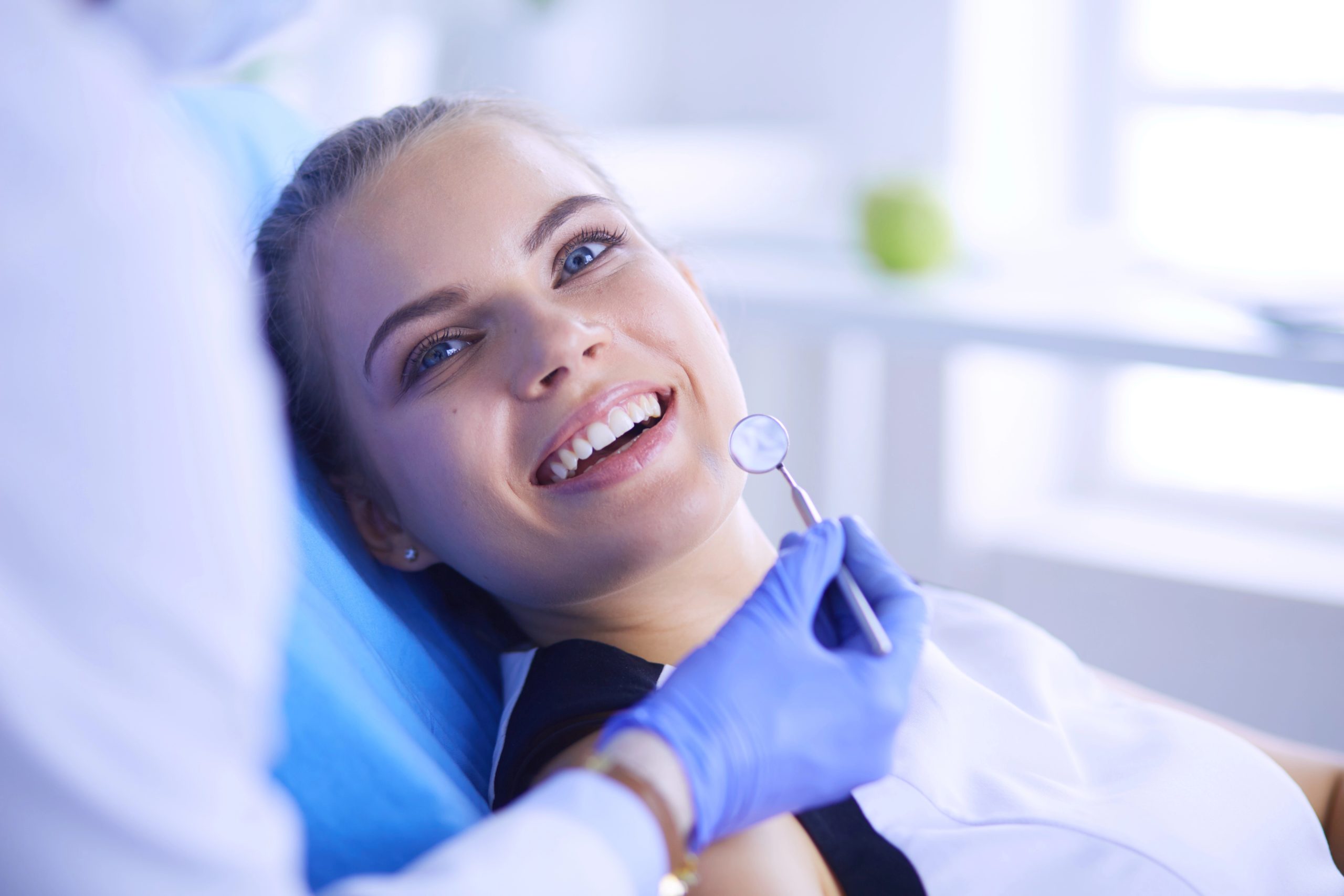
Oral cancer screening is a crucial procedure that helps in the early detection of cancerous and precancerous conditions in the mouth. During an oral cancer screening, a dentist or healthcare professional will thoroughly examine your mouth, including your lips, gums, tongue, and throat, for any signs of abnormal tissue or lesions. This non-invasive process is typically quick and painless, making it an essential part of routine dental check-ups. Regular screenings can significantly increase the chances of detecting oral cancer at an early, more treatable stage. For more information on maintaining your oral health, visit Norwood Dentist.
Early Detection Benefits
Early detection of oral cancer through regular oral cancer screenings can significantly improve the chances of successful treatment and recovery. Identifying cancerous or precancerous conditions at an early stage allows for timely medical intervention, which can prevent the disease from progressing to more advanced and harder-to-treat stages. Regular oral cancer screenings are crucial in catching potential issues before they become severe, ultimately contributing to better health outcomes and potentially saving lives.
Demographics at Higher Risk
Certain demographics are at a higher risk for developing oral cancer, making regular oral cancer screenings crucial. Individuals over the age of 40, particularly men, are more susceptible to this disease. Additionally, lifestyle factors such as tobacco use, excessive alcohol consumption, and prolonged sun exposure can significantly increase the risk. People with a family history of cancer or those with HPV (Human Papillomavirus) are also more vulnerable. By understanding these risk factors and prioritizing regular oral cancer screenings, you can take proactive steps to safeguard your health.
Lifestyle and Oral Cancer
Your lifestyle choices can significantly impact your risk of developing oral cancer, making regular oral cancer screenings essential. Tobacco use, excessive alcohol consumption, and a diet low in fruits and vegetables are major risk factors. Additionally, prolonged exposure to the sun can increase the risk of lip cancer. By understanding these lifestyle factors and incorporating preventive measures, you can reduce your risk and ensure early detection through routine oral cancer screenings. Prioritizing a healthy lifestyle not only benefits your overall well-being but also plays a crucial role in maintaining optimal oral health.
Oral Cancer Statistics
Oral cancer is a significant health concern, with alarming statistics underscoring the importance of regular oral cancer screenings. According to the Oral Cancer Foundation, approximately 54,000 new cases of oral or oropharyngeal cancer are diagnosed in the United States each year. Tragically, nearly 10,000 individuals succumb to this disease annually. Early detection through routine oral cancer screenings can dramatically improve survival rates, as the five-year survival rate for those diagnosed at an early stage is around 84%. These statistics highlight the critical need for awareness and proactive measures in combating oral cancer.
Importance of Regular Check-ups
Regular check-ups play a crucial role in the early detection and prevention of serious health issues, including oral cancer. By scheduling consistent oral cancer screenings, you significantly increase the chances of identifying any abnormalities at an early stage, when treatment is most effective. These screenings are essential for everyone, but particularly for individuals with risk factors such as tobacco use, heavy alcohol consumption, or a family history of cancer. Don’t wait for symptoms to appear; proactive oral cancer screenings can be a lifesaving measure that ensures your long-term health and well-being.
Conclusion
Prioritize your health by scheduling an oral cancer screening today; call 781-222-0327 or read our Google Maps reviews.